"Homecoming of Heritage": Hawaiian Museum Welcomes Long-Lost Artifacts Back from Northern Ireland

Human remains with ancestral ties were "grave robbed" and taken to Belfast nearly two centuries ago; they have now started their return voyage to Hawaii.
The ceremonial return of the human remains took place during an emotionally charged event at the Ulster Museum in Belfast, with attendees including representatives from Hawaii.
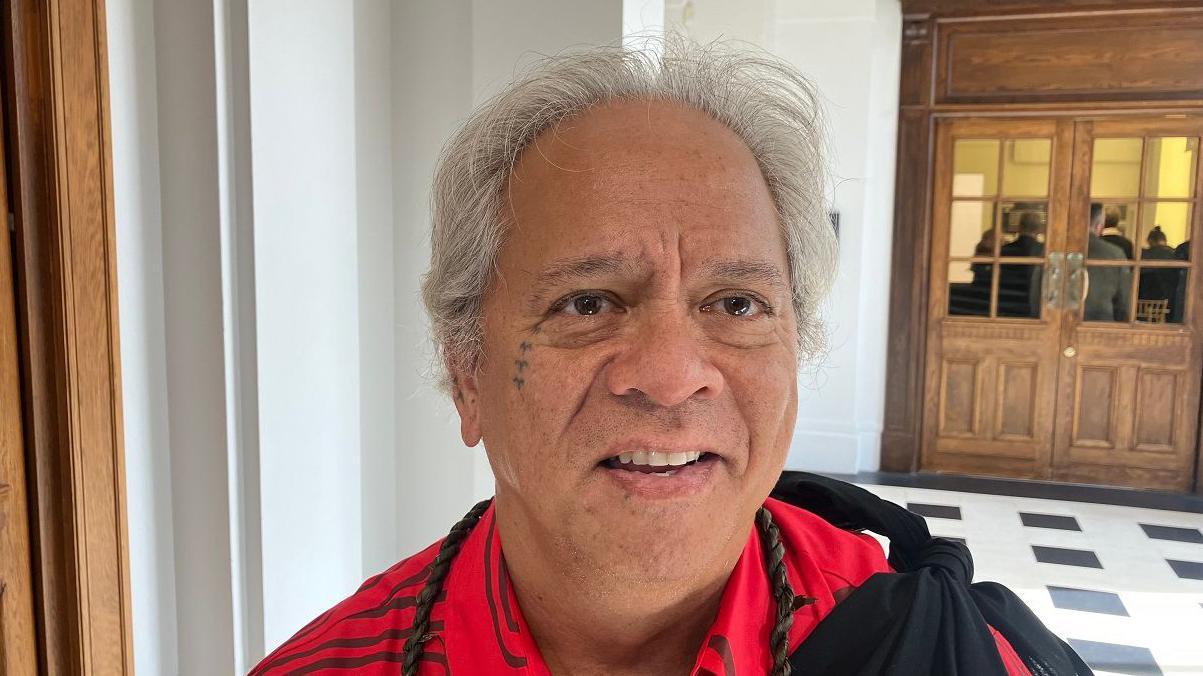
Halealoha Ayau from the Hawaiian organization Hui Iwi Kuamo'o expressed gratitude to the people of Belfast for "the care they provided to our ancestors."
“That initial act was illegal, was immoral, was a kind of desecration,” he told News NI.
Mr. Ayau stated that "family holds utmost importance" for Native Hawaiians.
There's no need for us to identify who these individuals are; we only need to recognize that they are from Hawaii.
The living bear the duty to restore them and reintroduce them to our soil.
Mr. Ayau mentioned that the remains would once more be interred in Hawaii.
He mentioned that they could proceed with their voyage, which is about decomposing and returning to their fundamental elements, allowing their spirits to move forward.
Now they are stuck due to this process being disrupted, and when they are imprisoned as offspring, we become entrapped too.
This gives them the liberty they require to progress, while also granting us the relief of not bearing that burden of distress.
Some human Remains and other sacred items were previously returned by National Museums Northern Ireland (NMNI) to Hawaii in 2022.
This followed after NMNI had identified some items stolen from other countries Or linked to the slave trade within its collections.
However after the 2022 event, NMNI subsequently identified additional ancient human remains. (iwi kūpuna) removed from Hawaii in 1840 as part of its collections.
It is thought that Gordon Augustus Thomson, who journeyed from Belfast to Hawaii in 1840, took remains of ancestral chiefs from their graves and gave these relics to the Belfast Natural History and Philosophical Society in 1857.
Later, they were transferred to the Belfast Museum and Art Gallery, which was the predecessor to the Ulster Museum, during the early part of the 20th century.
At the repatriation event, Kū'ike Kamakea-ʻŌhelo from the Office of Hawaiian Affairs (OHA) informed attendees that Thomson was referred to as a "graverobber" who had "violated the resting places of our forebears."
The event saw attendees from OHA, Hui Iwi Kuamo'o, NMNI, and the U.S. Embassy.
At the event, US Consul in Northern Ireland, James Applegate, stated in his address that the remains were being restored to their "appropriate resting place."
Kathryn Thomson, the chief executive of National Museums NI, stated that they were dedicated to "rectifying past mistakes."
She emphasized to News NI, 'I believe it’s crucial for us to continually question what we possess in our collection and the reasons behind it.'
We are extremely delighted today to restore these remains to the Hawaiian people.
We understood that the rationale behind having them was not valid.
Hannah Crowdy, who leads curation at NMNI, expressed that it was a "significant honor" to welcome guests from Hawaii.
"There is ample proof that these collections arrived through methods we now consider unacceptable," she stated.
To rectify these injustices and to genuinely reflect and honor various cultures, such a step is truly significant for us.
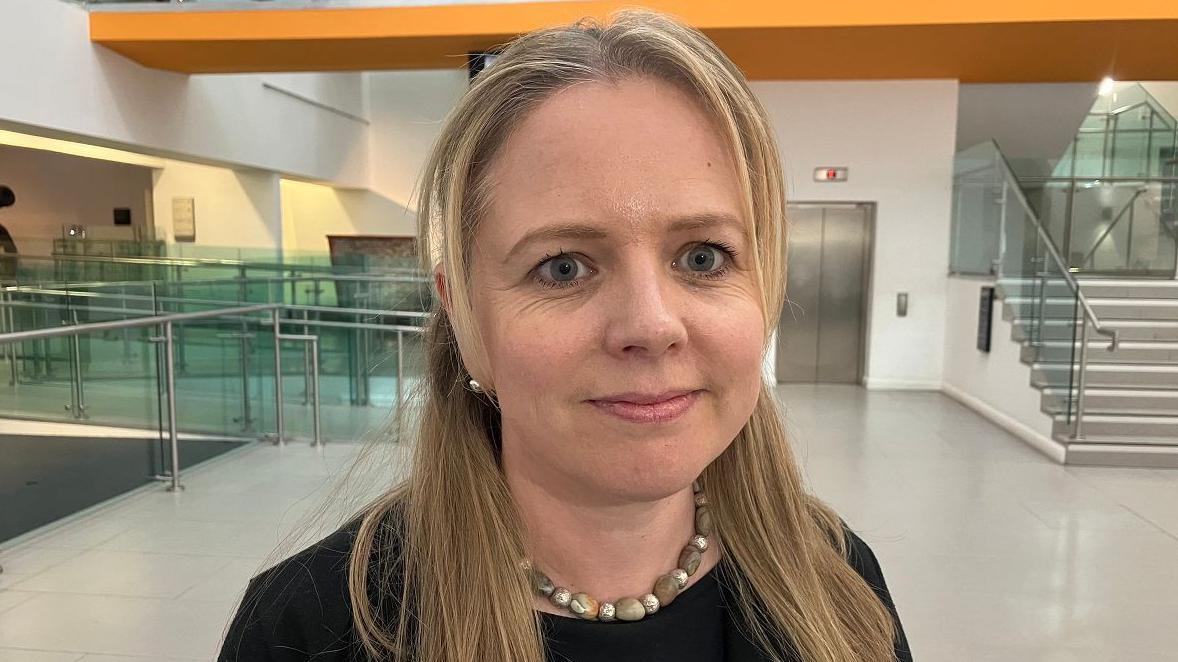
Ms Crowdy stated that the return of human remains was determined on an individual basis.
She mentioned that they are highly attentive to the needs of source communities.
The people who hold these remains dear are the ones aware of their cultural importance and understand how such artifacts should be respectfully handled.
We are addressing various global cultures regarding their preferences for handling their ancestors' remains.
Frequently, determining the precise origin of the remains requires meticulous and intricate efforts, allowing us to make informed choices accordingly.
Kū'ike Kamakea-ʻŌhelo stated that the return of the remains represented a "voyage of cultural rejuvenation and healing."
He referred to those present at the ceremony as "guardians of history, heritage, and humanity."
He stated, 'May this instant act as a light of hope.'